

From classroom to corridor of policy: turning knowledge into national impact
Posted: 24 August 2026
This year marks the 75th anniversary of Australian Government scholarships for students from the Asia-Pacific region, with the first scholarship recipients travelling to Australia under the Colombo Plan in 1951. To commemorate this significant milestone, Australia Awards – South Asia & Mongolia launched the Alumni Impact Storytelling Competition to celebrate the outstanding contributions alumni have made to the development of their countries.
The competition invited alumni to showcase the impact they have created and reflect on how their Australia Awards experience has helped shape their personal and professional journeys.
Bangladeshi alumna Asfia Sultana’s entry was highly commended for compellingly illustrating the enduring impact of Australia Awards. From a childhood spent in remote communities to a senior leadership role influencing transport policy, infrastructure reform and international partnerships, her story demonstrated how Australia Awards can shape not only individual careers, but also the systems and institutions that drive national development. Judges noted the strong connection she drew between her studies in Australia and her ongoing contributions to road safety, sustainable infrastructure and gender inclusion in Bangladesh.
Asfia completed a Master of Engineering Management at Curtin University in 2016.
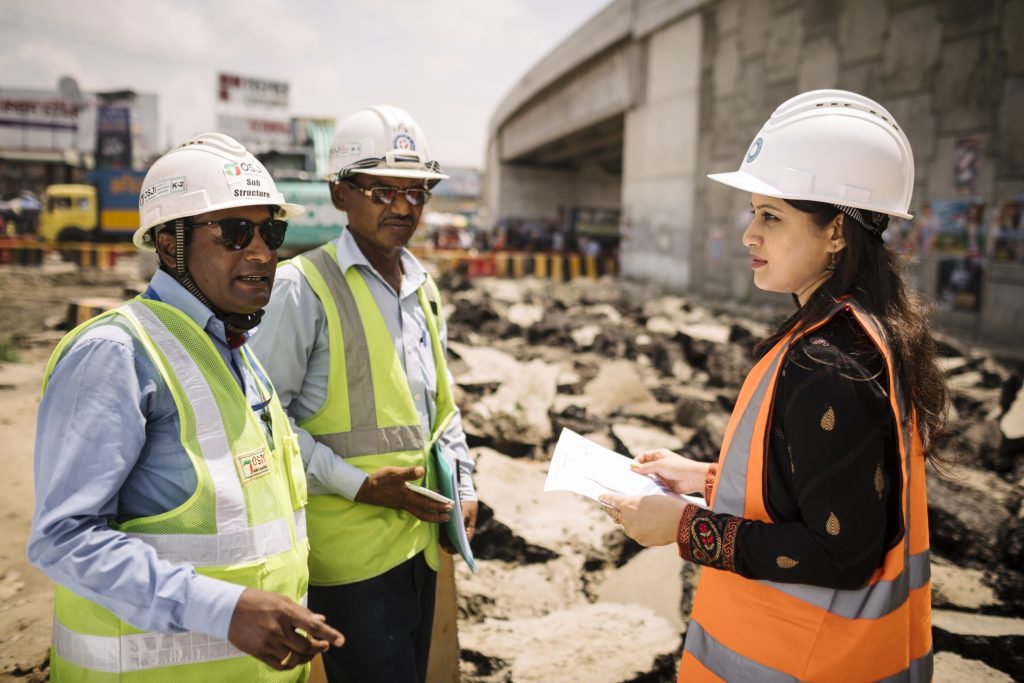
Asfia (right) interacting with workers at the Kanchpur Bridge construction site on the Dhaka-Chittagong highway.
I dreamt of building roads and bridges since my childhood. Growing up in remote areas of Bangladesh, I came to understand that transport infrastructure is more than physical connectivity; it is a powerful catalyst for turning aspirations into reality and a wellspring of opportunity and hope for communities. This early realisation shaped my enduring ambition to pursue a career in the transport sector. I began my career as a civil engineer working on transport infrastructure in climate-vulnerable regions of Bangladesh. Designing transport infrastructure, managing road and bridge maintenance, and responding to flood-related damage gave me first-hand insight into how infrastructure failures disproportionately affect lives, livelihoods and economic connectivity. These early experiences shaped my understanding of infrastructure as a development system—one that must be safe, inclusive and sustainable.
Receiving an Australia Awards Scholarship to pursue a Master of Engineering Management at Curtin University in 2015 was a defining moment for me. In Australia, I was exposed to a holistic approach to infrastructure development that prioritised lifecycle planning, transparent procurement, evidence-based decision-making and ethical leadership. Learning from real-world case studies and a diverse, multicultural academic environment reshaped my thinking, from project execution to system strengthening. Equally influential was Australia’s emphasis on road safety, occupational health and safety, and gender inclusion in engineering practice. These principles became central to my professional values and continue to guide my work.
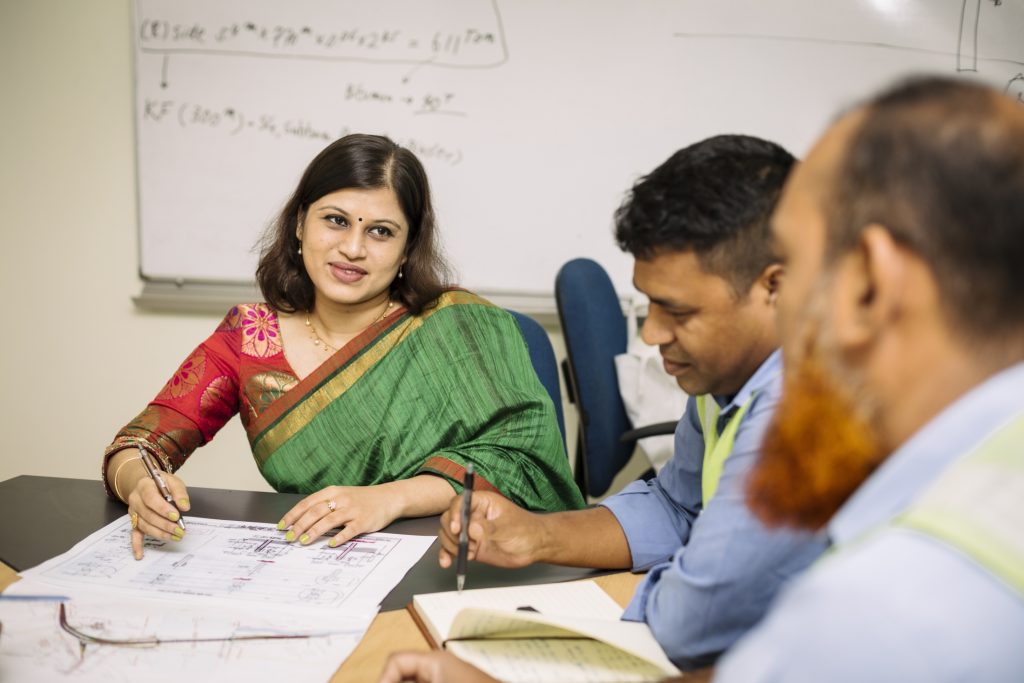
Asfia (left) featured with her colleagues at work.
Upon returning to Bangladesh, I rejoined the public service with renewed clarity of purpose. Over the years, I have served in progressively senior roles within the road transport and highways sector. Today, as a senior official in the ministry responsible for national road infrastructure and international cooperation, I directly apply the principles I learnt in Australia to policy formulation, project design and intergovernmental engagement.
One of my most significant contributions has been in strengthening international partnerships for sustainable transport development. Drawing on Australia’s model of transparent governance and public–private partnership frameworks, I have been involved in shaping policies that improve project accountability, risk allocation and long-term asset management. These reforms are helping Bangladesh move away from short-term infrastructure solutions towards lifecycle-based planning, ensuring better value for public money.
Road safety has been another critical area of impact. Inspired by Australia’s data-driven and systems-based approach to road safety, I have advocated for integrating safety audits, institutional coordination and evidence-based interventions into national programs. These efforts contribute to reducing road fatalities and align with global best practices, including the Safe System approach.
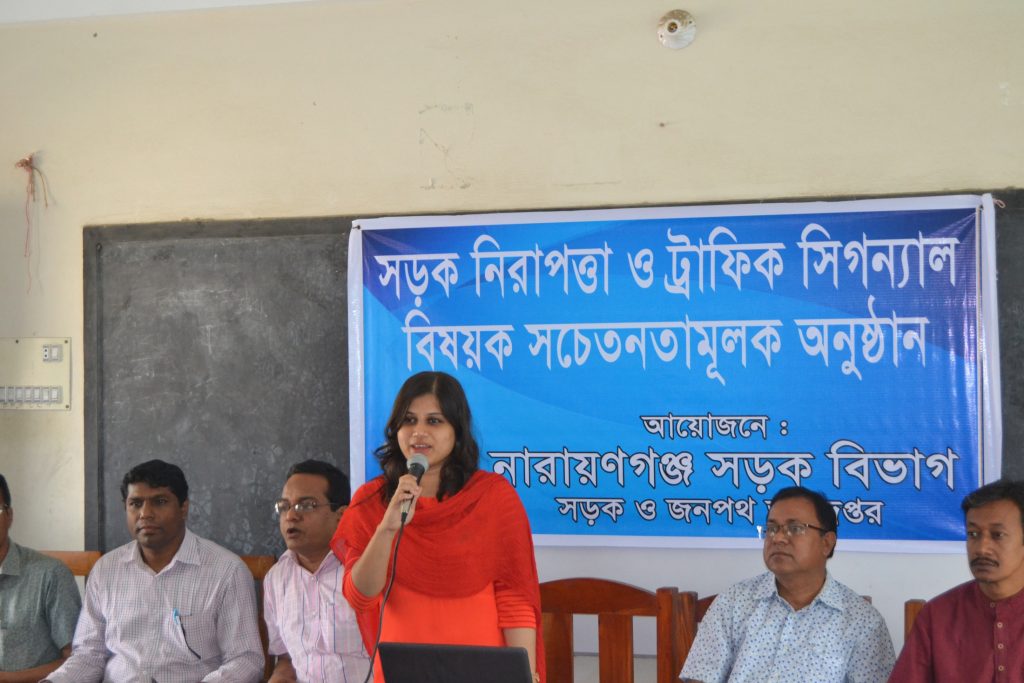
Asfia (middle) conducting a training program on occupational health and safety in Bangladesh.
Beyond policy, my Australia Awards experience has shaped my leadership style. I strive to foster inclusive decision-making, mentor younger officers and encourage women’s leadership in a traditionally male-dominated sector. My article on ‘urban mobility and gender’ has been published in international journals. Also, I am currently selected as a technical committee member and focal point for gender inclusion and diversity in the World Road Congress organised by PIARC (World Road Association). As a woman in senior government service, I see representation not as a personal achievement, but as a pathway for systemic change. Australia taught me that institutions grow stronger when diversity is embraced and voices are heard.
My engagement with the alumni community as a General Secretary of the Australia Alumni Association Bangladesh has further amplified this impact. As an elected leader of the alumni association, I have contributed to policy dialogue, cross-sector collaboration, knowledge exchange and mentoring activities that are helping translate alumni expertise into national development outcomes.
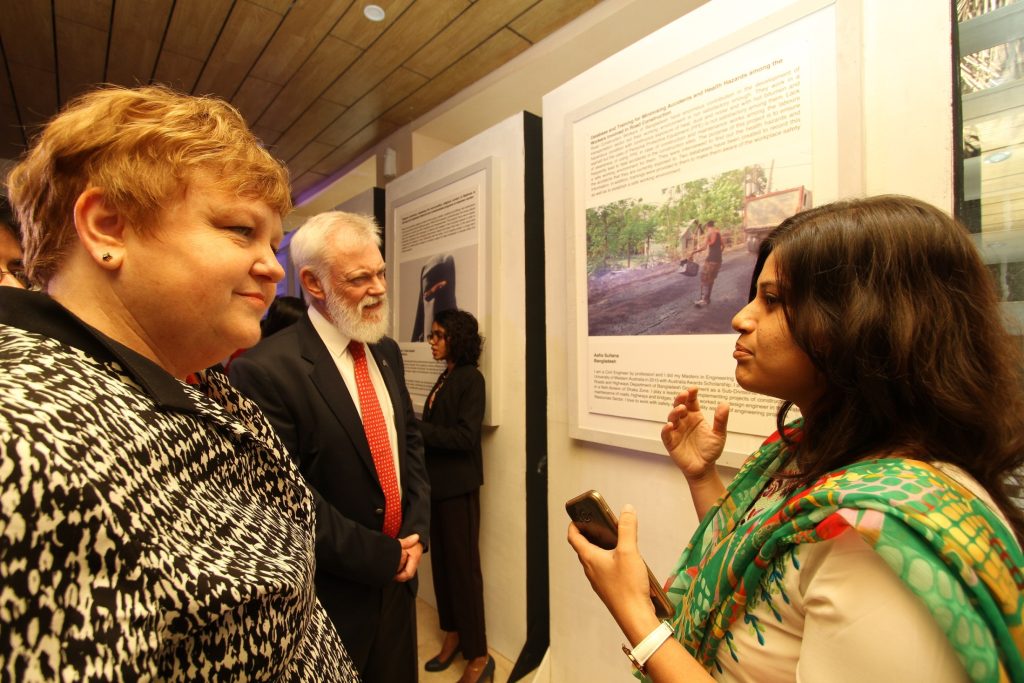
Asfia (right) explains her work to former Australian High Commissioner to Bangladesh, HE Julia Niblett (left), during the Australia Awards Regional Alumni Workshop held in Bangladesh in 2017.
As Australia celebrates 75 years of scholarship engagement with the Asia-Pacific, the legacy of the Colombo Plan continues to live through alumni who bridge nations through ideas, values and partnerships. My journey is one such bridge linking Australian learning with Bangladeshi realities and linking global principles with local action.
Australia Awards did not simply educate me; it empowered me to lead with integrity, think strategically and serve with purpose. The impact I strive to create every day in policy rooms, project negotiations and institutional reforms is a testament to the enduring value of this Scholarship.